
Introduction: The Hidden World Inside You
What if the secret to your mood, immunity, and even weight wasn’t in your brain or your muscles—but in your gut?
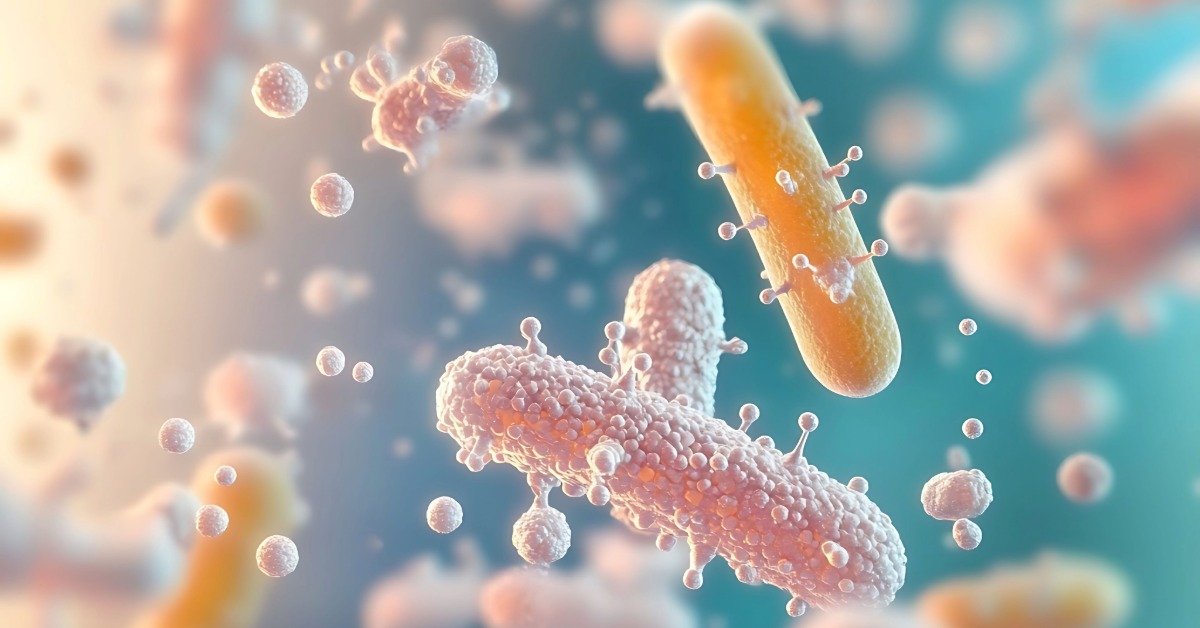
Inside every person lives a microscopic ecosystem: trillions of bacteria, fungi, and other microbes collectively known as the microbiome. Far from being passive passengers, these tiny organisms actively influence how your body functions. They don’t just help with digestion; they play a role in your mood, metabolism, skin health, and even your immune defense.
The problem? Many people underestimate the power of their gut health. They focus on exercise, skincare, or stress management while overlooking the one system that quietly connects them all—the microbiome.
In this article, we’ll explore why your microbiome controls more than you think, how it influences different areas of your health, and practical ways to nurture it.
The Gut–Brain Connection: More Than Just Digestion
Have you ever felt “butterflies in your stomach” before a big presentation? Or experienced digestive upset during stressful times? That’s the gut–brain axis at work—a two-way communication system between your digestive system and your brain.
The microbiome produces many of the same neurotransmitters your brain relies on. In fact, about 90% of the body’s serotonin—a chemical that stabilizes mood and promotes happiness—is produced in the gut. This is why gut health and mental health are so closely linked.
When your gut bacteria are balanced, they support positive mood regulation. But when the microbiome is disrupted, people are more likely to experience anxiety, depression, and brain fog. The phrase “trust your gut” may be more scientifically accurate than we once thought.
Immunity Starts in the Gut
Did you know that 70% of your immune system lives in your gut? It’s true—the microbiome acts like a security force, teaching your body how to distinguish between friendly microbes and harmful invaders.
A balanced microbiome helps reduce the risk of infections, allergies, and chronic inflammation. When the gut is unhealthy, the immune system can become overactive, leading to autoimmune conditions or heightened sensitivity.
Supporting your gut means supporting your immunity. A diverse, well-fed microbiome is like a strong army ready to protect your body at all times.

Microbiome and Metabolism: The Weight Connection
If you’ve ever struggled with weight despite eating well and exercising, your gut bacteria may be part of the explanation. Research shows that gut microbes influence metabolism, fat storage, and appetite regulation.
Certain types of bacteria help extract more calories from the food you eat, while others regulate hormones like ghrelin and leptin, which control hunger and satiety. Studies have found that people with poor microbiome diversity are more likely to develop obesity and metabolic disorders.
This means that weight management isn’t just about “calories in, calories out”—it’s about maintaining a healthy balance of gut bacteria.
Skin, Hormones, and Energy—The Surprising Ripple Effects
The microbiome doesn’t stop at digestion, mood, or weight. It has ripple effects across your entire body:
- Skin Health: Conditions like acne, eczema, and rosacea have been linked to gut imbalances. When the gut is inflamed, the skin often mirrors that stress.
- Hormone Balance: Gut bacteria help metabolize hormones like estrogen and testosterone. A disrupted microbiome can contribute to hormone-related issues such as PMS, infertility, or low energy.
- Daily Energy: If your microbiome is weak, your digestion becomes less efficient. That means fewer nutrients are absorbed from your meals, leaving you tired even when you think you’re eating well.
When your gut is thriving, your skin glows, your hormones are balanced, and your energy feels limitless.
Modern Life vs. Your Microbiome: The Daily Threats
Unfortunately, modern lifestyles are not kind to our microbiomes. The following factors are daily threats to gut balance:
- Antibiotics: While lifesaving, they kill both harmful and beneficial bacteria.
- Processed Foods: High in sugar, artificial additives, and low in fiber, these starve beneficial microbes and feed harmful ones.
- Stress: Chronic stress alters gut motility and increases harmful bacteria growth.
- Poor Sleep: Lack of rest throws off the circadian rhythm, which also affects gut health.
If left unchecked, these stressors can damage your microbiome, leading to issues like digestive discomfort, weakened immunity, and even mental health challenges. That’s why conscious gut care is no longer optional—it’s essential.
How to Support a Healthy Microbiome
So, how do you take care of your microbiome and keep it thriving?
- Eat a Fiber-Rich Diet: Vegetables, fruits, legumes, and whole grains feed healthy bacteria.
- Incorporate Fermented Foods: Yogurt, kefir, sauerkraut, and kimchi introduce beneficial probiotics.
- Stay Hydrated: Water helps with nutrient absorption and supports digestion.
- Manage Stress: Mindfulness, exercise, and relaxation techniques reduce the toll stress takes on your gut.
- Prioritize Sleep: Rest restores both your brain and your microbiome.
For many people, diet and lifestyle changes are a great start. But if you’re looking for extra support, supplements can play an important role.
One excellent option is Stomafine from Nutrinova—a natural supplement designed to promote gut balance and healthy digestion. Stomafine supports the microbiome by providing the nutrients and compounds your digestive system needs to thrive, making it easier to maintain long-term gut wellness.
Conclusion: Protecting the “Command Center” of Your Health
Your microbiome is more than a collection of bacteria—it’s a command center that influences digestion, mood, immunity, weight, skin, hormones, and energy. When neglected, it can silently affect nearly every aspect of your health.
The good news? Small, intentional choices can help you rebuild and protect this invisible ecosystem. By eating fiber-rich foods, reducing stress, and considering natural supplements like Stomafine, you can give your microbiome the support it deserves.
Your gut is talking—are you listening? Start nourishing your microbiome today, and watch how it transforms not just your digestion, but your entire well-being.